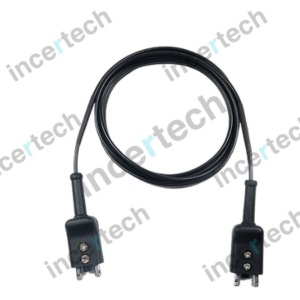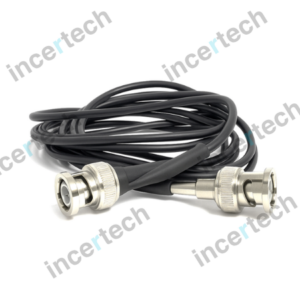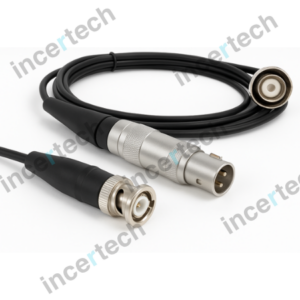
Dual BNC to Dual Mini Lemo Cable (2 Meter) – Reliable Dual-Channel Connectivity for Ultrasonic Testing (UT)
The Dual BNC to Dual Mini Lemo Cable (2 Meter) is a premium-quality interconnection cable specially designed for Ultrasonic Testing (UT) and Non-Destructive Testing (NDT) applications. Engineered for stable and precise dual-channel signal transmission, this cable provides dependable connectivity between ultrasonic flaw detectors, dual-element probes, transducers, and inspection instruments.
Featuring Dual BNC connectors on one end and Dual Mini Lemo connectors on the other, this cable is ideal for connecting ultrasonic testing equipment with different connector interfaces requiring secure dual-channel signal transfer. The 2-meter cable length offers flexibility and convenience during inspections, making it suitable for both field and workshop environments.
Manufactured for durability and long-lasting performance, the cable minimizes signal loss and interference, ensuring accurate ultrasonic measurements and flaw detection results. Its rugged and flexible construction ensures dependable operation even in demanding industrial conditions.
Widely used across industries such as oil & gas, fabrication, aerospace, power generation, shipbuilding, manufacturing, and industrial maintenance, this cable is an essential accessory for professional ultrasonic inspection systems.
Key Features:
- Dual BNC to Dual Mini Lemo connector configuration
- 2-meter cable length for flexible operation
- Designed for dual-channel ultrasonic testing applications
- Stable and reliable signal transmission
- Durable and flexible cable construction
- Low signal interference for accurate UT results
- Secure connector fit for dependable performance
- Suitable for Ultrasonic Testing (UT) and NDT applications
- Compatible with dual-element probes, transducers, and flaw detectors
Applications:
- Dual-element ultrasonic flaw detection
- Weld inspection
- Corrosion monitoring and thickness measurement
- Industrial NDT inspections
- Probe and instrument connectivity in UT systems